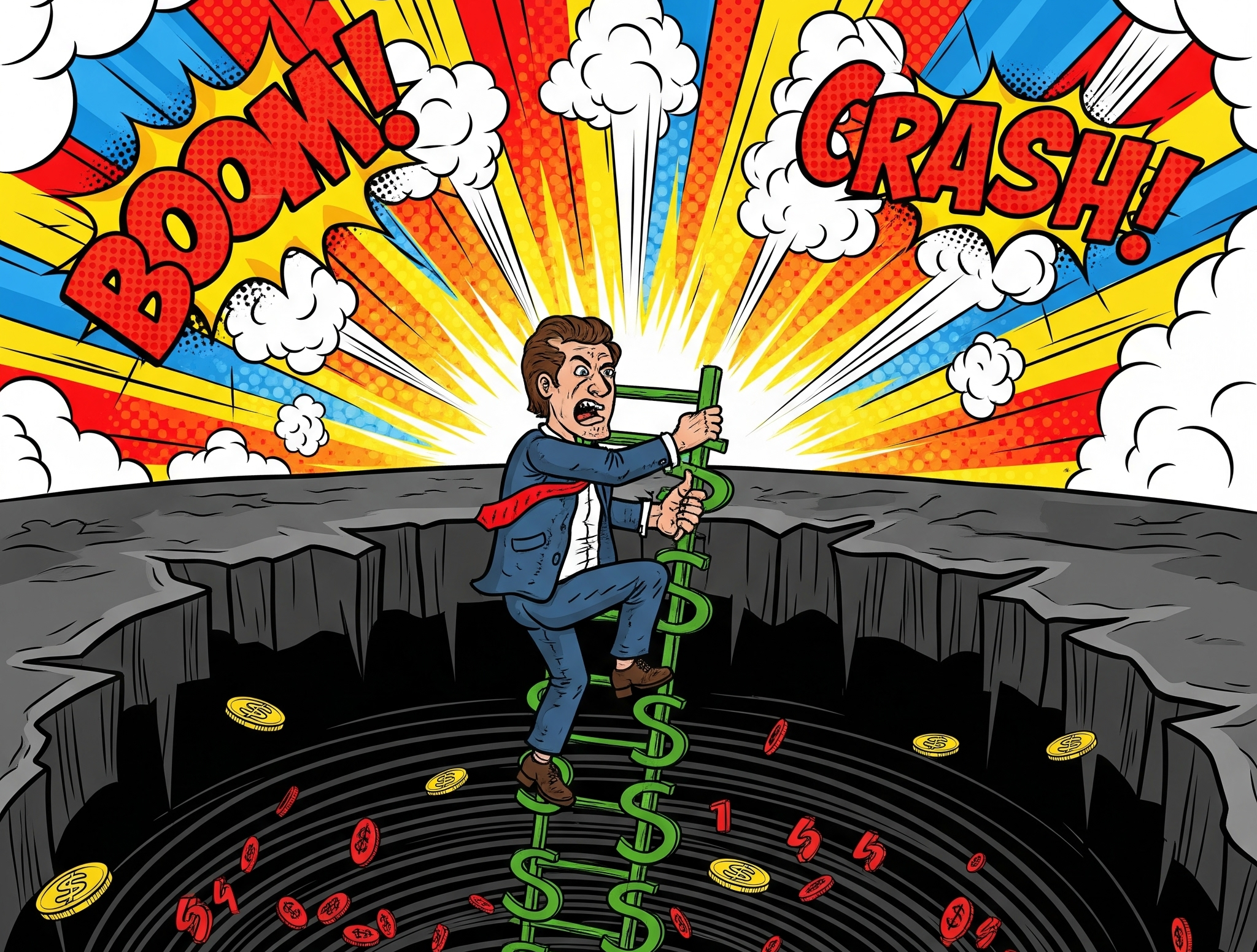
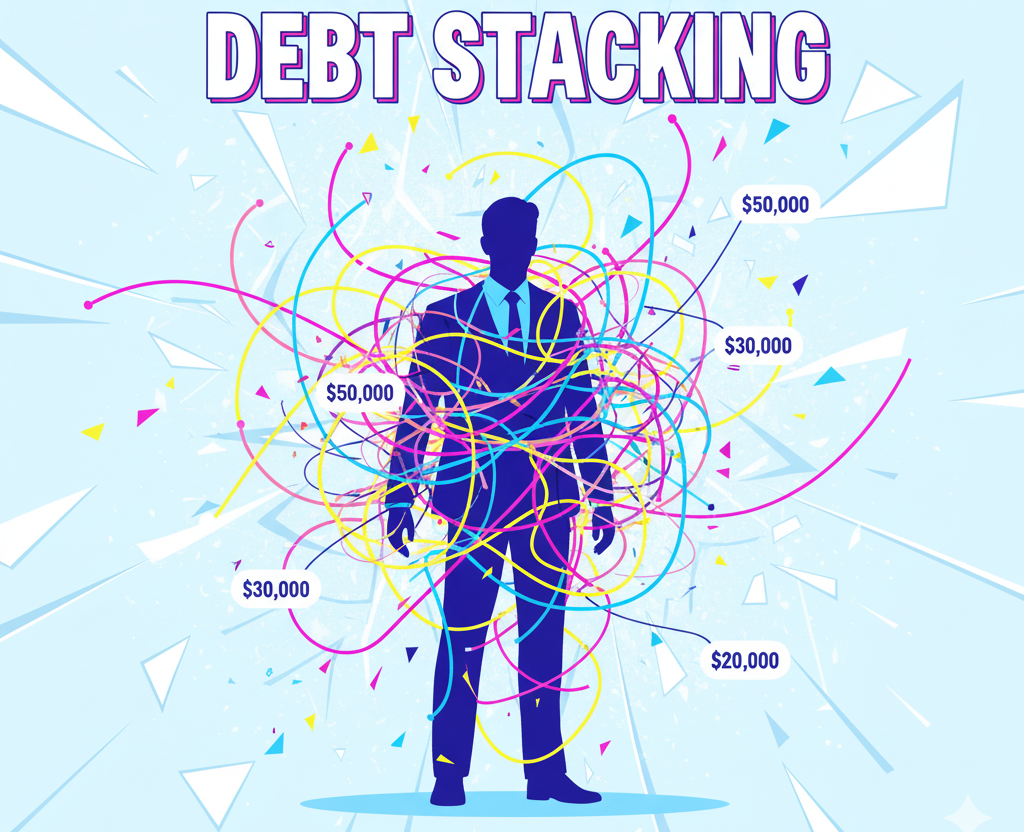
There is a silent crisis brewing beneath the surface of this survival story. For many business owners, the adrenaline of navigating the immediate crisis has faded, only to be replaced by a stark financial reality. The survival phase required capital, and for many, that capital came in the form of borrowed money.
We are now navigating a unique economic landscape where the stimulus has dried up, consumer habits have permanently shifted, and inflation has driven up the cost of goods sold. While the acute phase of the health crisis is over, the chronic phase of the financial crisis is just beginning for Main Street. The "new normal" is about managing a balance sheet that looks drastically different than it did 3 to 5-years ago.
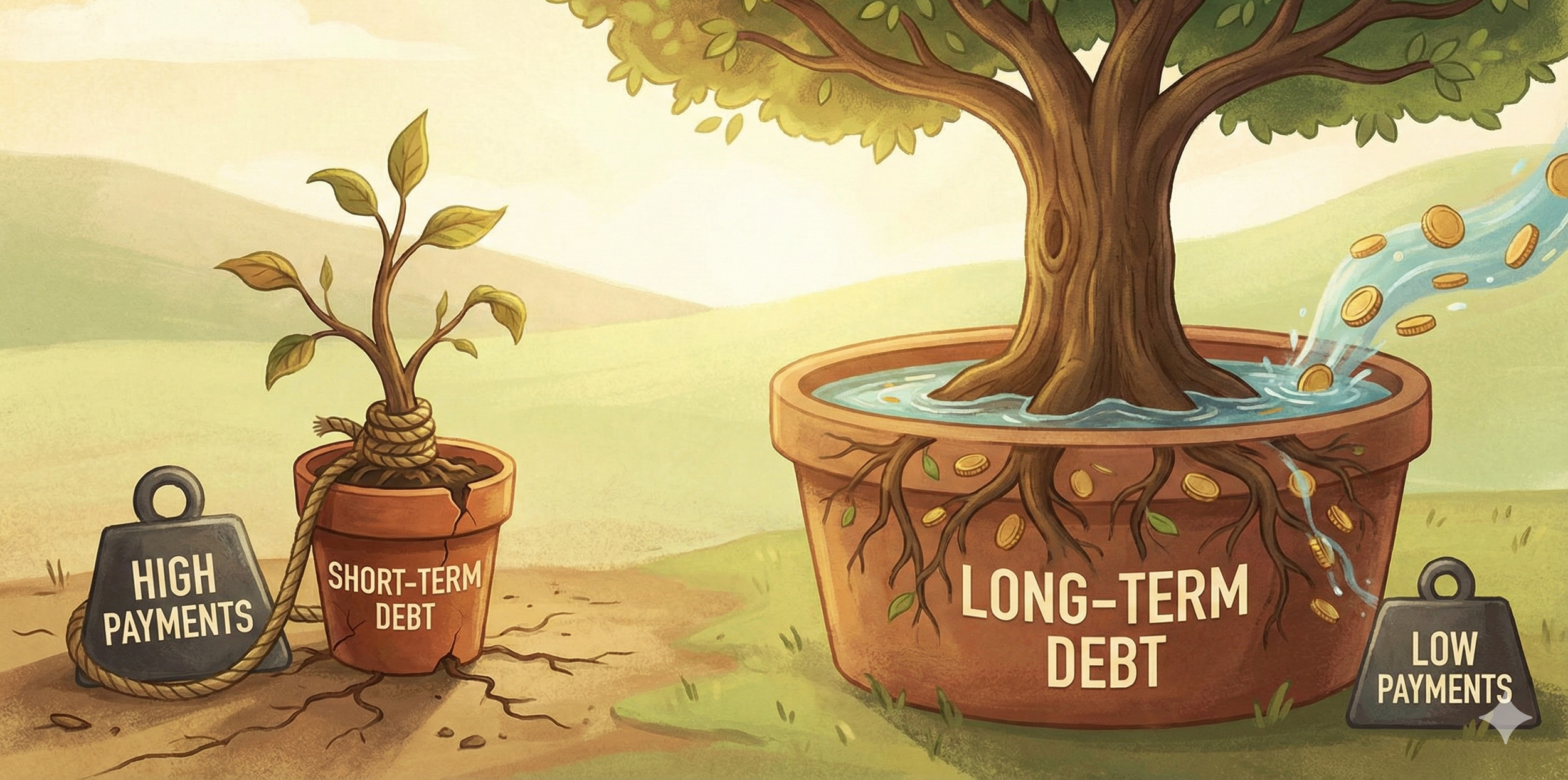
Many business owners are finding that the very tools that saved them—loans, deferred payments, and credit extensions—are now the anchors dragging them down. The revenue may have returned, but the margin for error has vanished.
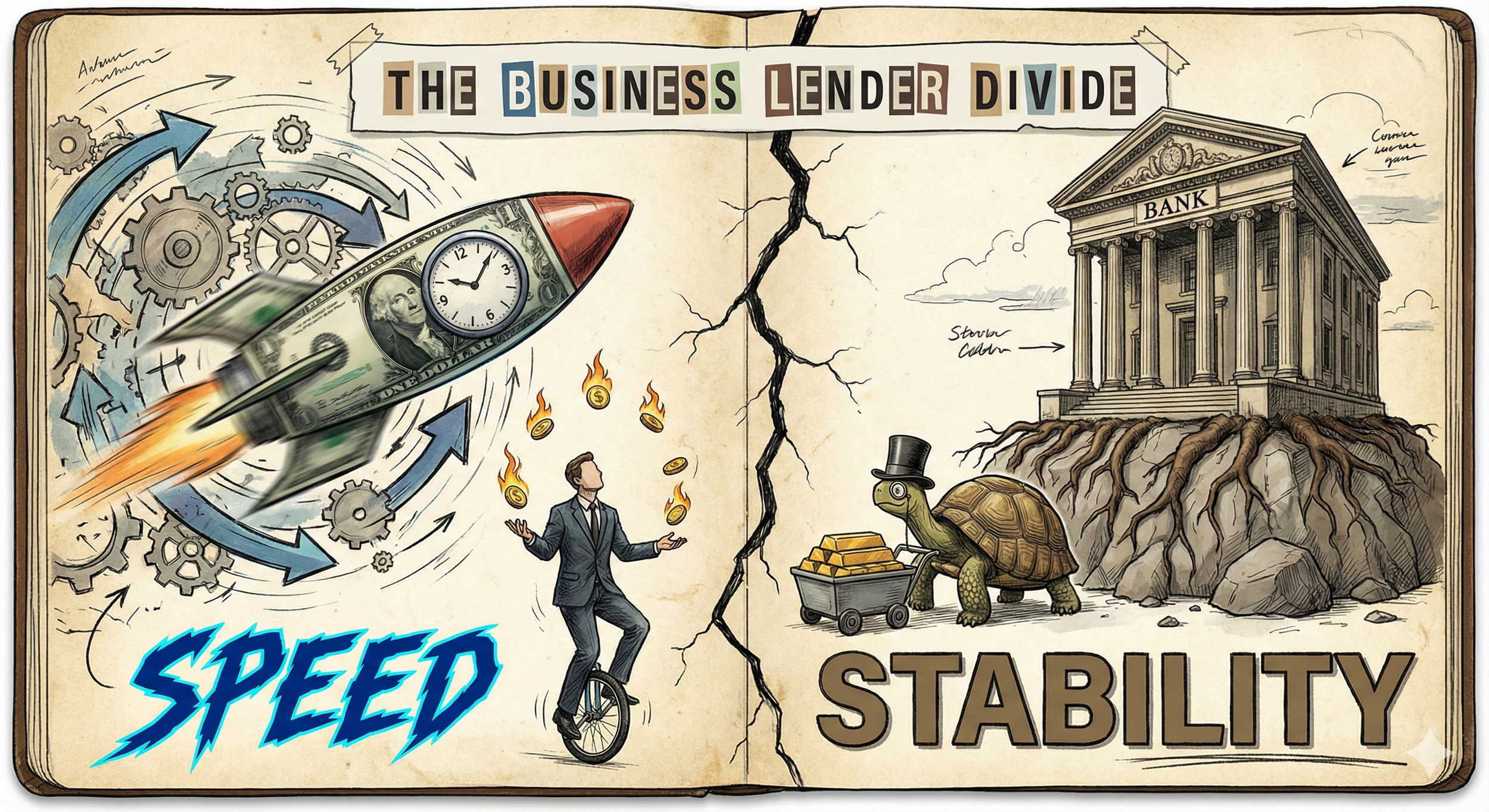
This section of the economic cycle requires a different mindset. It is no longer about raw survival; it is about stabilization. The businesses that will thrive in the coming decade are those that recognize the game has changed from a sprint to a marathon, and they are currently carrying too much weight in their backpacks to finish the race.